
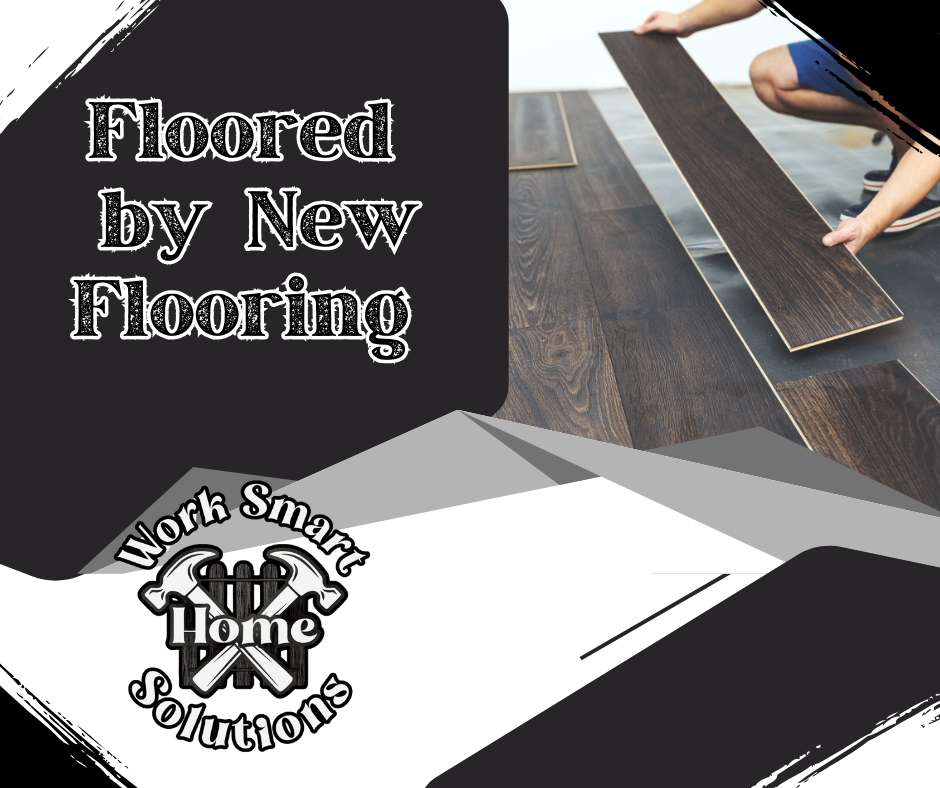
One of the easiest ways to brighten up a space and make a room feel brand new is to install new, updated flooring. Of course, different flooring options require different tools and timelines for proper installation; it’s important to know the differences between flooring types to determine what’s best for you.
If you’re ready for a change and need help choosing between amazing quality options, give this blog a read to find out more!
Hardwood Flooring
Classic hardwood flooring surprisingly consists of two subtypes: solid wood flooring, or a thin sheet of wood bonded with plywood. They both offer a lot of visual appeal and can last for decades when maintained correctly. However, it’s necessary to note that it has a higher installation cost and can scratch, dent, or splinter more easily than other wood-alternative counterparts.
Laminate Floors
If you enjoy the look of real wood but don’t want to pay for the maintenance, you can opt for laminate flooring instead, which utilizes the appearance of real stone while being made of plastic material. It is extremely resistant to scratches and dents, and is among the least expensive flooring options. Unfortunately, it has a plastic feel underfoot, unlike the feeling of traditional wood, and cannot be refinished, meaning if you need to amend the flooring, you’ll have to replace the damaged areas.
Vinyl Flooring
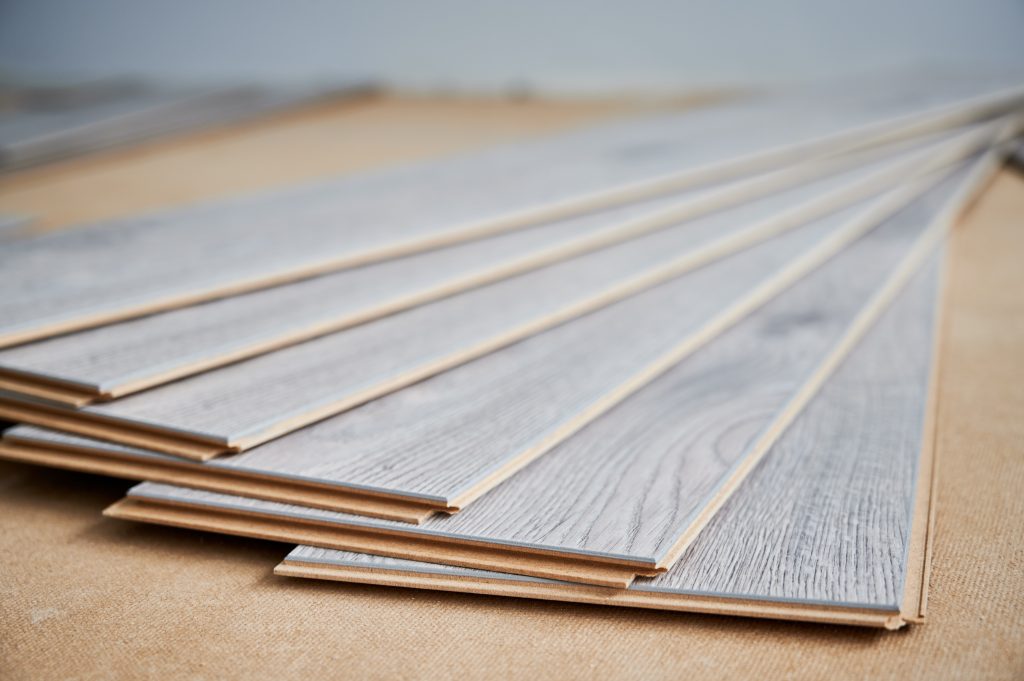
Vinyl is similar to laminate in that it’s more affordable than real wood and highly resilient, and is additionally resistant to stains and water! It is thick, sturdy tiling that feels a little more like real wood; unfortunately, like vinyl, it cannot be refinished and can be on the pricey side of a budget due to its additional layering and high definition appearance.
Stone Floors
If you’re looking for striking new flooring, consider the timeless option of stone flooring. This specific installation adds value to your home, offers uniqueness due to each stone being different, and withstands heavy foot traffic. You can choose between sedimentary, igneous, and metamorphic stone, depending on what look you want; homeowners considering this option should understand that they will pay a premium for this flooring type and may need to reseal the surface to prevent staining.
Tile Flooring
Another common new flooring option is tile, which can be ceramic or porcelain. There are countless colors and designs to choose from, and regardless of which option you decide, your floor will be waterproof and low-maintenance. Installation is often difficult, not DIY-friendly, and can cost around the same price as solid wood flooring.
Linoleum Floors
Linoleum flooring is an all-natural option made from linseed oil and wood products, and is sold in tiles or sheets – catering to those who want more affordable sophistication in their home. It resists fading due to sunlight, and is very soft underfoot, although it is not as durable as vinyl, scratches easily, and is prone to wear and tear under heavy foot traffic.
How To Choose Which New Flooring Types Are Right For YOU
There are, of course, additional flooring options, such as cork, carpet, and cement, ranging in durability and price. However, choosing the best flooring for your household is a decision you have to make with home renovation professionals.
When considering which new flooring to install, it’s essential to think about how much you want to spend, if you have children or pets that could easily scratch/dent the flooring, what type of maintenance you’re willing to put towards it, and how it will fit in with your style.
Choosing The Right Home Solution Team for all your flooring types
Are you still unsure which option is best for your family, or how to start the process? No need to feel overwhelmed; that’s what professionals are for. We’re one phone call away from helping you discover which beautiful new flooring best suits your needs. Work Smart Home Solutions caters to a variety of customers in Roanoke and surrounding areas, ready to bring your home vision to life!